

Extrusion is a cornerstone of modern manufacturing, used to create everything from plastic bottles to metal beams. However, perfecting the process often involves multiple physical trials, which can be time-consuming and costly. That’s where simulation tools1 come in. These powerful software applications predict how materials behave during extrusion, enabling engineers to design better products faster and more cost-effectively.
Simulation tools model extrusion behavior by predicting material flow2, temperature, and defects, optimizing designs for industries like automotive, packaging, and construction.
Understanding these tools can transform your manufacturing process, reducing costs and enhancing product quality. This guide explores their definitions, applications, technical workflows, and practical benefits, helping you leverage them effectively.
Simulation tools can reduce development time by up to 50%.True
By minimizing physical trials, companies can accelerate product development and market entry.
All simulation tools are equally accurate.False
Accuracy varies based on input data quality and the algorithms employed by each tool.
What Are Simulation Tools for Extrusion?
Simulation tools for extrusion are software programs that use computational methods, such as finite element analysis3 (FEA), to model the extrusion process. They predict critical factors like material flow, temperature distribution, and potential defects (e.g., warping or cracking), allowing for design optimization without extensive physical prototyping.

Tools like QForm and Ansys Polyflow predict extrusion behavior by modeling material flow and temperature, tailored for metals and plastics, respectively.
| Tool Type | Material Focus | Key Features |
|---|---|---|
| Metal Extrusion Tools | Aluminum, Steel | Die design, defect prediction |
| Plastic Extrusion Tools | Polymers | Rheology, flow uniformity |
QForm for Metal Extrusion
QForm is a leading simulation tool for metal extrusion, particularly for materials like aluminum and steel. It models material flow and die deformation, aiding in die design4 and defect prevention QForm UK Extrusion.
Ansys Polyflow for Plastic Extrusion
Ansys Polyflow, a finite element-based computational fluid dynamics (CFD) tool, excels in polymer extrusion. It handles complex rheological behaviors, making it ideal for designing dies and optimizing process parameters (Ansys Polyflow.
These tools cater to diverse industries requiring precision and efficiency, offering specialized solutions for specific materials.
QForm is exclusively used for aluminum extrusion.False
QForm supports various metals, including magnesium, brass, and steel, not just aluminum.
Simulation tools are essential for reducing manufacturing costs.True
Virtual optimization reduces physical trials and material waste, lowering overall costs.
How Do Simulation Tools Work in Extrusion?
Simulation tools create a virtual model of the extrusion process, enabling engineers to predict outcomes and refine designs before production begins.

Using finite element analysis5, simulation tools model extrusion to predict flow, temperature, and defects, optimizing die design and process parameters.
Step-by-Step Workflow
-
Geometry Definition: Input the die and workpiece shapes. For metals, this includes the die, billet, and container; for plastics, the extruder, die, and screw.
-
Material Properties: Specify properties like flow stress and thermal conductivity for metals, or viscosity and temperature-dependent behavior for plastics.
-
Process Parameters: Set extrusion speed, temperature, and pressure to mirror real-world conditions.

-
Meshing: Generate a mesh for the simulation domain, with finer resolution in critical areas for accuracy (e.g., QForm’s adaptive meshing).
-
Simulation Run: Solve governing equations—fluid dynamics for plastics or plastic deformation for metals—to simulate the process.
-
Result Analysis: Review outputs like material flow, temperature distribution, and defect risks (e.g., pressure drops in Ansys Polyflow).
-
Optimization: Adjust designs or parameters based on results, iterating as needed.
Simulation tools always provide perfect predictions.False
Predictions depend on the quality of input data and model assumptions, not guaranteeing perfection.
Simulation tools can model both metal and plastic extrusion.True
While specialized, tools share similar principles, adapting to material-specific behaviors.
What Are the Key Factors in Choosing a Simulation Tool?
Selecting the right tool depends on material type, application needs, and practical considerations like cost and support.

Key factors include material compatibility, application specificity, cost, and technical support, ensuring alignment with project goals.
Material Type
Choose based on your material: metals (e.g., QForm, DEFORM) or plastics (e.g., Ansys Polyflow, PolyXtrue).
Application Needs
Match features to your goals—e.g., coextrusion support or complex profile modeling. PolyXtrue excels in multilayer flows PolyXtrue.

Cost and Support
Weigh initial costs, training, and support availability. QForm is praised for its user-friendly interface and robust assistance QForm UK Extrusion.
Proven Results
Seek case studies—e.g., Ansys Polyflow’s 200% ROI in die optimization Ansys Polyflow.
All simulation tools offer the same features.False
Tools differ in capabilities, specializing in specific materials or processes.
Choosing the right tool impacts project success.True
The right tool enhances prediction accuracy and design efficiency.
What Are the Applications of Simulation Tools in Extrusion?
Simulation tools enhance extrusion processes across industries by improving design, efficiency, and quality.
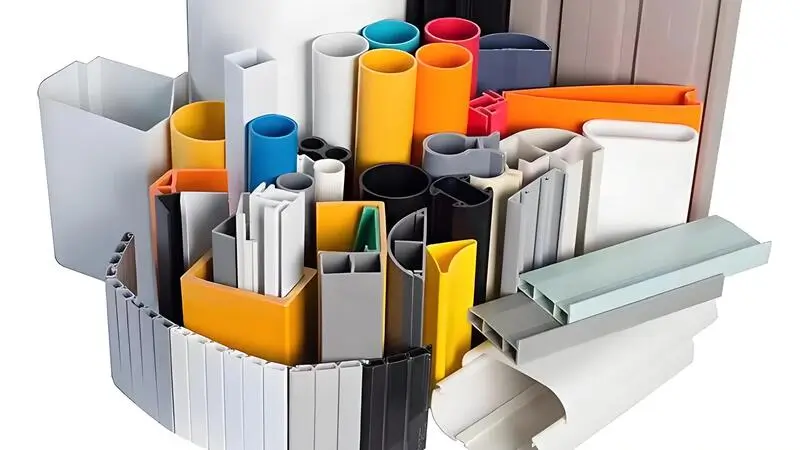
Applications include die design, process optimization6, and defect prediction, benefiting automotive, packaging, and construction sectors.
Die Design
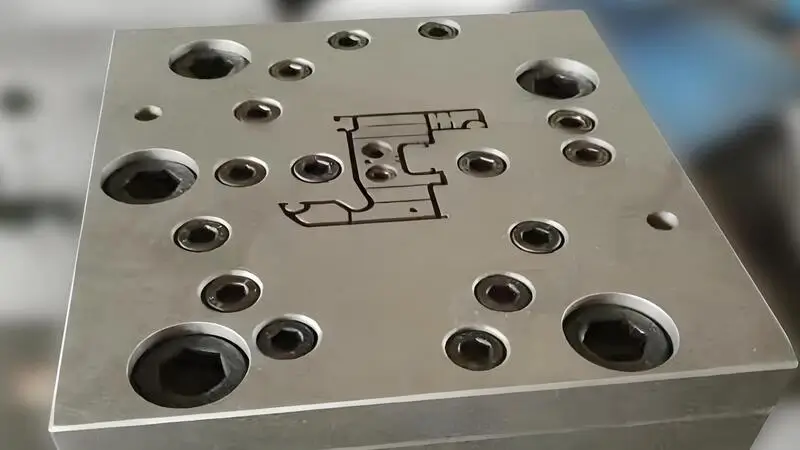
Virtual prototyping (e.g., with Ansys Polyflow) refines die shapes before manufacturing Ansys Polyflow.
Process Optimization
Simulations identify optimal settings for temperature, speed, and pressure, boosting efficiency and quality.
Defect Prediction
Tools foresee issues like warping or uneven thickness, critical for precision industries like aerospace.
Cost Reduction
Reduced physical trials save time and money—e.g., a 200% ROI with Ansys Polyflow in one year Ansys Polyflow.
Simulation tools are only useful for large-scale manufacturers.False
Small and medium enterprises also benefit from cost savings and design improvements.
Simulation tools can predict all extrusion defects.False
While effective for many defects, complex issues may still require physical testing.
How Do Simulation Tools Compare to Traditional Methods?
Simulation tools offer clear advantages over trial-and-error approaches, though they come with trade-offs.

Simulation tools save time and costs by reducing physical trials, but require investment and accurate data.
Advantages
-
Time Savings: Virtual testing cuts prototype iterations.
-
Cost Reduction: Less material and labor are needed.
-
Improved Quality: Optimized designs enhance performance.

Limitations
-
Initial Investment: Software and training costs can be high.
-
Data Dependency: Results hinge on precise inputs.
-
Complexity: Some real-world effects may not be fully simulated.
Simulation tools eliminate physical testing entirely.False
They reduce trials, but validation often requires some physical tests.
Simulation tools are more cost-effective long-term.True
Savings from fewer trials and better designs outweigh initial costs.
Conclusion
Simulation tools for predicting extrusion behavior are game-changers in manufacturing, offering a path to optimized designs, lower costs, and higher quality. Whether you’re shaping metals with QForm or plastics with Ansys Polyflow, these tools provide tailored solutions to meet your needs.
-
Explore this link to discover top simulation tools that can enhance your extrusion processes and improve product quality. ↩
-
Understanding material flow is crucial for successful extrusion; this link will provide insights into its significance and impact on production. ↩
-
Learn how finite element analysis can optimize your extrusion processes and reduce costs through advanced modeling techniques. ↩
-
Learn about the importance of die design in extrusion and how it affects product quality and efficiency. ↩
-
Explore this link to understand how finite element analysis enhances simulation accuracy and efficiency in various applications. ↩
-
Discover effective strategies for optimizing extrusion processes to improve performance and reduce costs. ↩




 EN
 ES
 FR
 DE
 PT
 AR
 RU
 JA
 KO
 IT
 NL
 TR
 PL
 ID
