
Plastic Extrusion Molding
Uplastech specializes in delivering high-quality Custom Plastic Extrusion solutions designed to optimize your production efficiency and meet your unique requirements.
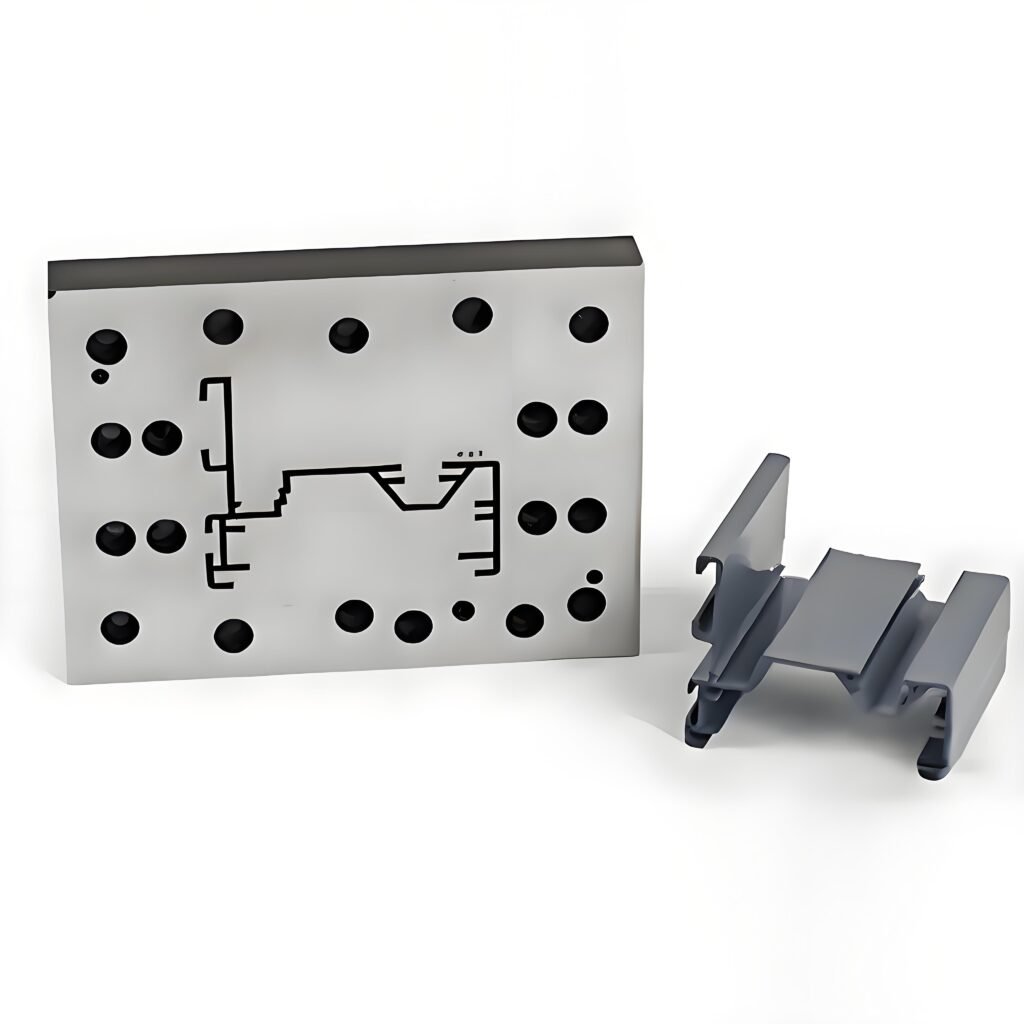
Resources for The Complete Guide to Plastic Extrusion Molding
What is Plastic Extrusion Molding?
Plastic extrusion molding is a process that makes a lot of stuff out of plastic. It’s a way to make long things that are all the same shape. It’s a big deal in manufacturing because it’s a good way to make a lot of things that are all the same shape. This process is versatile and widely used in industries such as construction, automotive, packaging, and consumer goods. People use it to make all kinds of stuff for all kinds of reasons.
The extrusion process involves heating raw plastic materials until they reach a malleable state. The softened plastic is then forced through a specially designed die, which shapes it into the desired profile. As the material exits the die, it is cooled and solidified into its final form. The result is a consistent and continuous product, ready for additional processing or direct use.
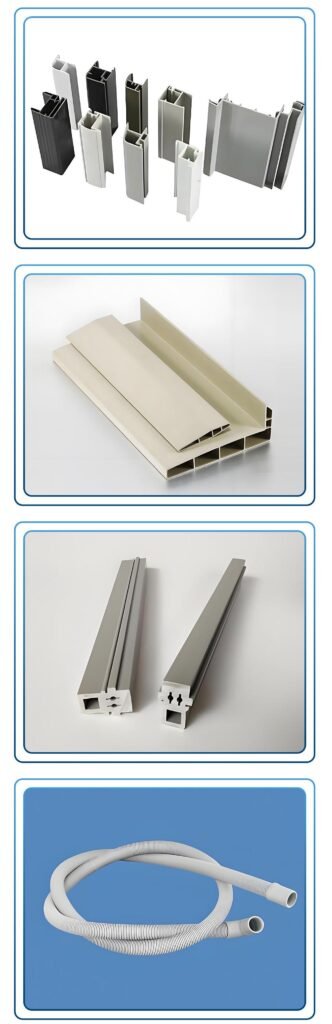
Plastic extrusion molding makes all sorts of things, from basic tubes, pipes, and sheets to more complicated stuff like weather stripping, window frames, and custom profiles. The process is highly adaptable, allowing for the use of various thermoplastic materials, including PVC, HDPE, and polypropylene, each chosen for its unique properties to meet specific application requirements.
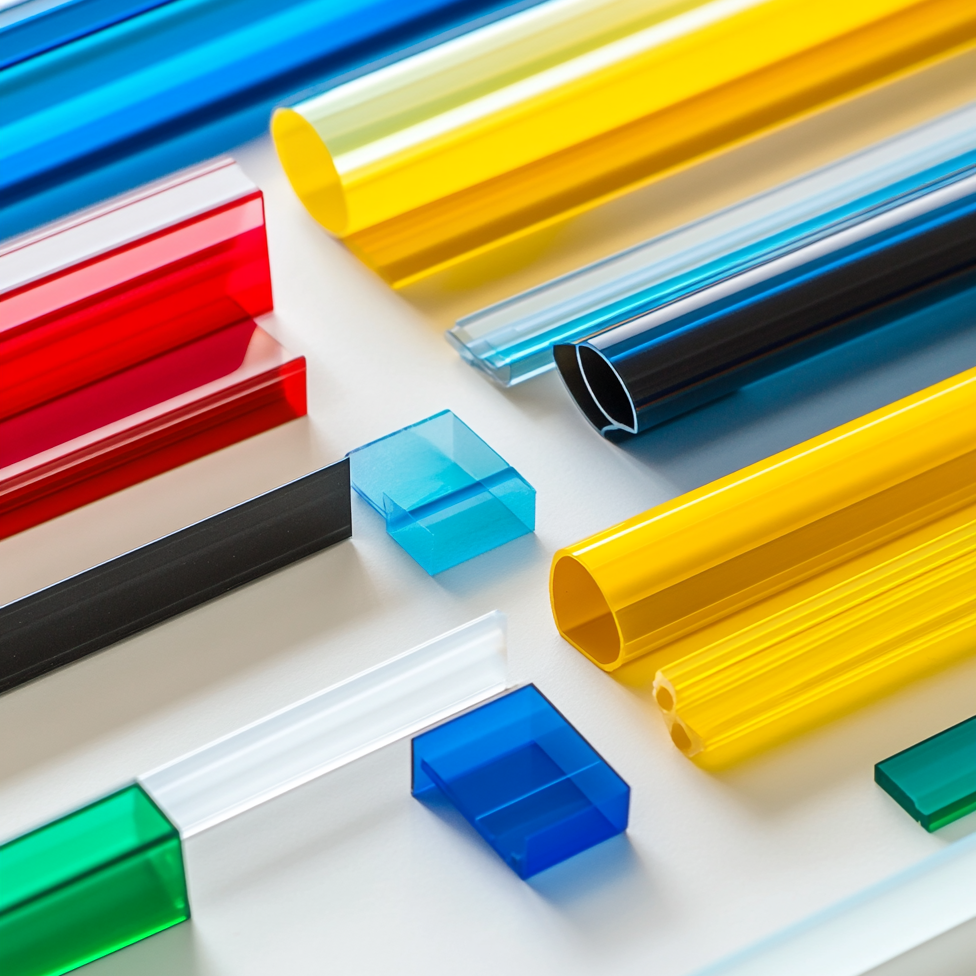
Plastic extrusion molding is a big-time manufacturing process used to make continuous products with a same-size cross-section from thermoplastic materials. This super popular method is great for making all kinds of long and continuous shapes, from simple tubes and profiles to really complicated structures. By turning raw plastic into finished products, extrusion molding serves all kinds of industries, making stuff with precision and speed.
What types of Plastic Extrusion Molding Process are There?
Plastic extrusion molding is a super popular manufacturing process that involves forcing a plastic material through a die to create a shape. This versatile process is used in a bunch of industries, and different types of extrusion techniques are used to create products with different characteristics. Here are some of the most common types of plastic extrusion molding, each with its own unique characteristics and applications.
1. Single-Screw Extrusion:
Single-screw extrusion is the most common and basic extrusion technique. It is used to make a wide range of plastic products such as pipes, tubes, profiles, and sheets. It involves using a single screw to push the plastic material through the die. It is simple, cost-effective, and commonly used in the production of everyday plastic products like PVC pipes, door profiles, and cable sheaths.
2. Twin-Screw Extrusion:
This method uses two screws that interlock to mix and move the plastic material more efficiently than one screw. It is great for processing materials that need better mixing, compounding, or dispersion of additives. It is often used to make more complex products like composite materials, packaging films, and specialized plastic compounds.
3. Co-Rotating Twin-Screw Extrusion:
In this variation, the two screws rotate in the same direction, which enhances the mixing and compounding of the material. It is particularly beneficial for processing high-viscosity polymers and those that require precise mixing, such as elastomers and food packaging films.
4. Counter-Rotating Twin-Screw Extrusion:
Unlike the co-rotating version, the screws rotate in opposite directions. This is better for processing materials, especially high-density or highly viscous ones. It is used for making composites and mixing different polymers.
5. Compound Extrusion:
Compound extrusion is when you mix different plastics together, sometimes with other stuff added in, and then push it all through a die. You do this to make a special kind of plastic that has better properties, like it’s stronger, more flexible, or can handle heat better. People use this kind of plastic in all sorts of things, like car parts or building stuff.
6. Sheet Extrusion:
Sheet extrusion makes flat sheets of plastic that can be turned into things like roofing sheets, gaskets, and packaging materials. Molten plastic is pushed through a flat die and then cooled to make a solid sheet. This method is great for things that need flat, even sheets.
7. Profile Extrusion:
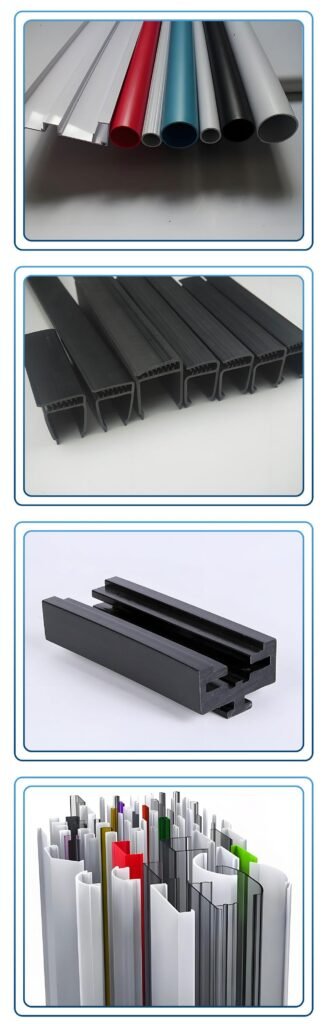
Profile extrusion is used to make long, continuous plastic profiles with specific cross-sectional shapes, like window frames, door frames, and roof trusses. The material is pushed through a die that shapes the profile, and it is cooled and cut into the lengths you want.
8. Tube Extrusion:
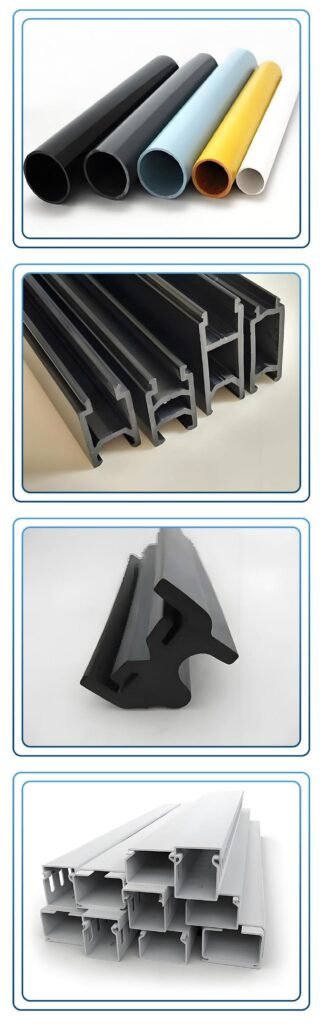
Tube extrusion is the process used to make hollow plastic tubes, like PVC pipes, copper tubing, and aluminum tubing. This method usually involves using a mandrel inside the die to make the hollow part of the tube.
9. Fiberglass Extrusion:
This is how you make fiberglass stuff. You take some plastic and mix in some fiberglass. Then you push it through a machine that makes it into a shape. People use this stuff to make things like buildings, cars, and airplanes because it’s strong and light.
10. Micro-Extrusion:
Micro-extrusion is used to make small plastic products, like medical devices, connectors, and tubing. It needs really good control over how the material flows and how the die is made to make really small, detailed products.
11. High-Speed Extrusion:
High-speed extrusion is all about making plastic stuff faster. It’s used for big jobs like making lots of packaging materials, tubing, and profiles. The process is optimized for speed while maintaining product quality and precision.
13. Low-Temperature Extrusion:
In contrast, low-temperature extrusion is used for products that must maintain their properties at low temperatures, such as cryogenic components or specialized medical devices. Materials that retain flexibility at low temperatures are commonly used in this process.
12. High-Temperature Extrusion:
This process is used to make plastic products that need to handle high temperatures, like aerospace parts or car parts. High-temperature extrusion needs materials that can stay strong under heat and is important for industries that work in extreme conditions.
What is the Basic Process of Plastic Extrusion?
Plastic extrusion is a super cool way to make stuff out of plastic. You take raw plastic and turn it into long shapes like pipes or sheets. There are six steps to the process, and each one is important to make sure the stuff you make is good. Here’s what you need to know about each step:
1. Material Preparation:
The first step is to prepare the plastic materials, such as pellets, granules, or powders. These raw materials are mixed with additives like colorants, fillers, or stabilizers to enhance their properties. The prepared mixture is then loaded into a hopper, a funnel-shaped container, ensuring the materials are ready for processing.
2. Feeding and Transport:
The prepared material is transferred from the hopper into the extruder. Inside the extruder barrel, a rotating screw continuously pushes the material forward. As it moves, the material experiences increasing heat and pressure, which ensures a smooth and consistent flow into the next stage.
3. Melting and Plasticizing:
As the material travels through the heated extruder barrel, it begins to melt. External heaters and friction from the rotating screw work together to transform the solid material into a uniform, molten state. This step is crucial to ensure the plastic is ready for precise shaping in the subsequent stage.
6. Cutting and Finishing:
In the final stage, the extruded plastic is cut into specific lengths using tools like saws, shears, or automated systems. Additional finishing steps, such as surface treatments or quality checks, are carried out to ensure the product meets all necessary specifications and standards.
5. Cooling and Solidification:
After leaving the die, the shaped plastic is immediately cooled to solidify and maintain its structure. Common cooling methods include air cooling, suitable for lightweight profiles, and water cooling, often used for larger or heat-sensitive products. This step ensures the material retains its intended strength and shape.
4. Shaping Through Mold:
The molten plastic is forced through the mold, a specialized tool designed to shape the material into the desired cross-section. The die’s design is essential as it determines the product's final profile, whether it is a tube, sheet, or more complex form. Proper calibration is key to achieving consistent results.
What are the Differences between Extrusion and Injection Molding?
Extrusion and injection molding are two of the most popular plastic manufacturing processes. They each have their own strengths and are used for different applications. Although they both involve processing plastic material, they are different in terms of how they work, the tools they use, and the results they produce. Here is a detailed comparison of these two processes, focusing on their differences.
1. Process Overview:
Extrusion Molding:
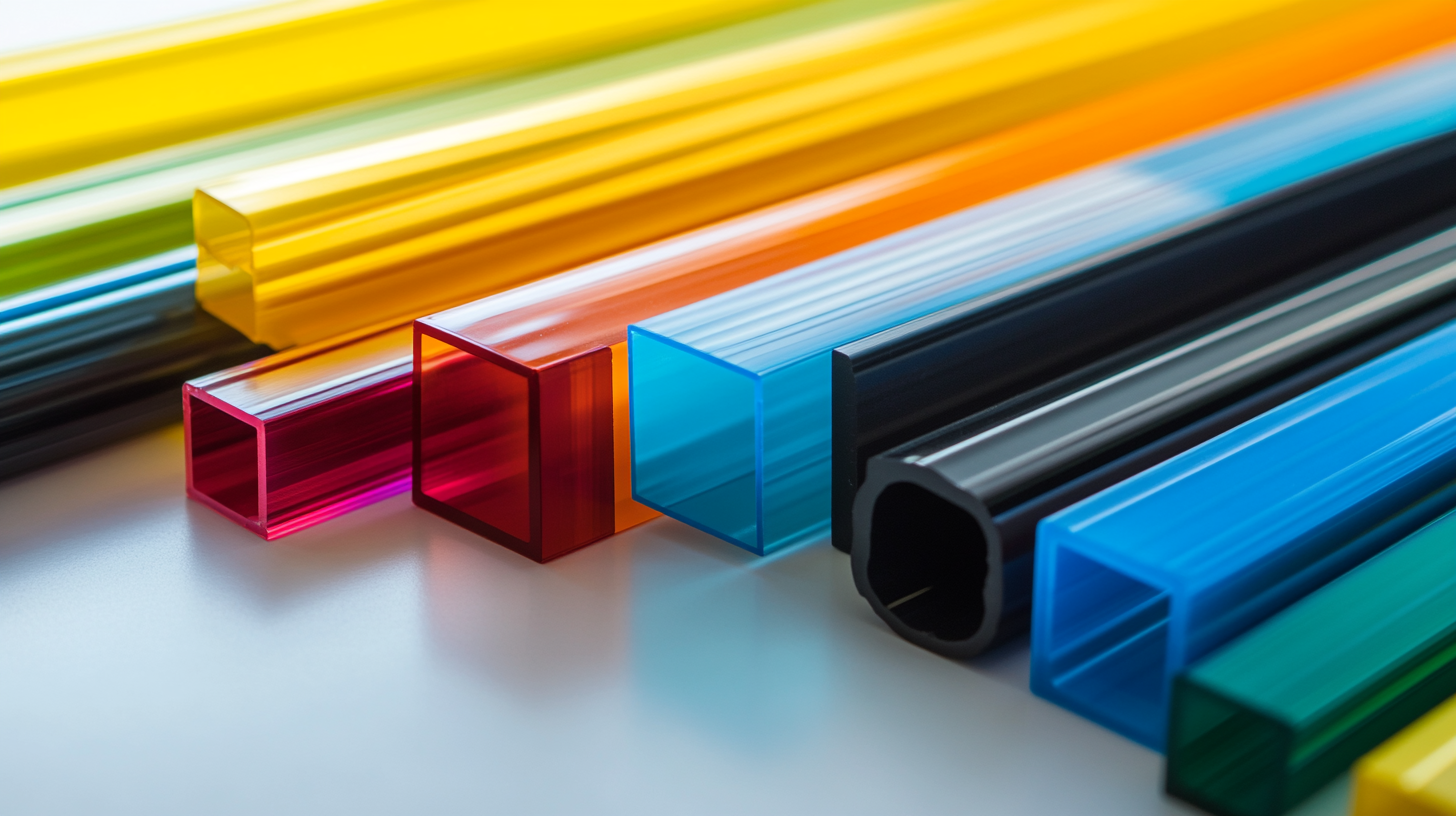
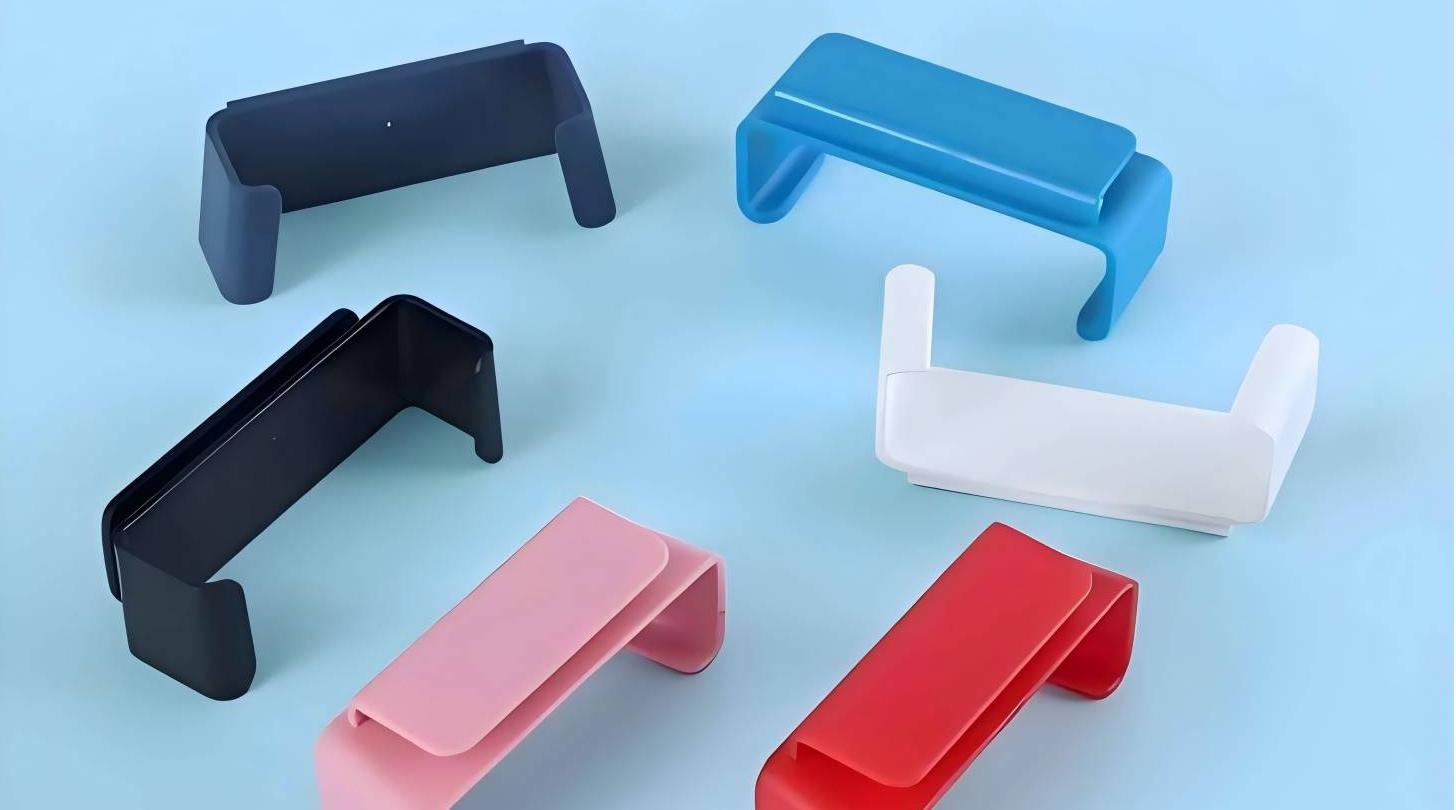
In extrusion, you melt plastic (like pellets or granules) and push it through a die to make shapes that are all the same size. Then you cool it down and cut it. Some examples are pipes, sheets, and tubes.
Injection Molding:
This process involves injecting molten plastic into a mold cavity. It cools and hardens inside the mold, making a certain 3D shape. You use injection molding to make complicated parts like toys, car parts, and medical stuff.
2. Design and Complexity:
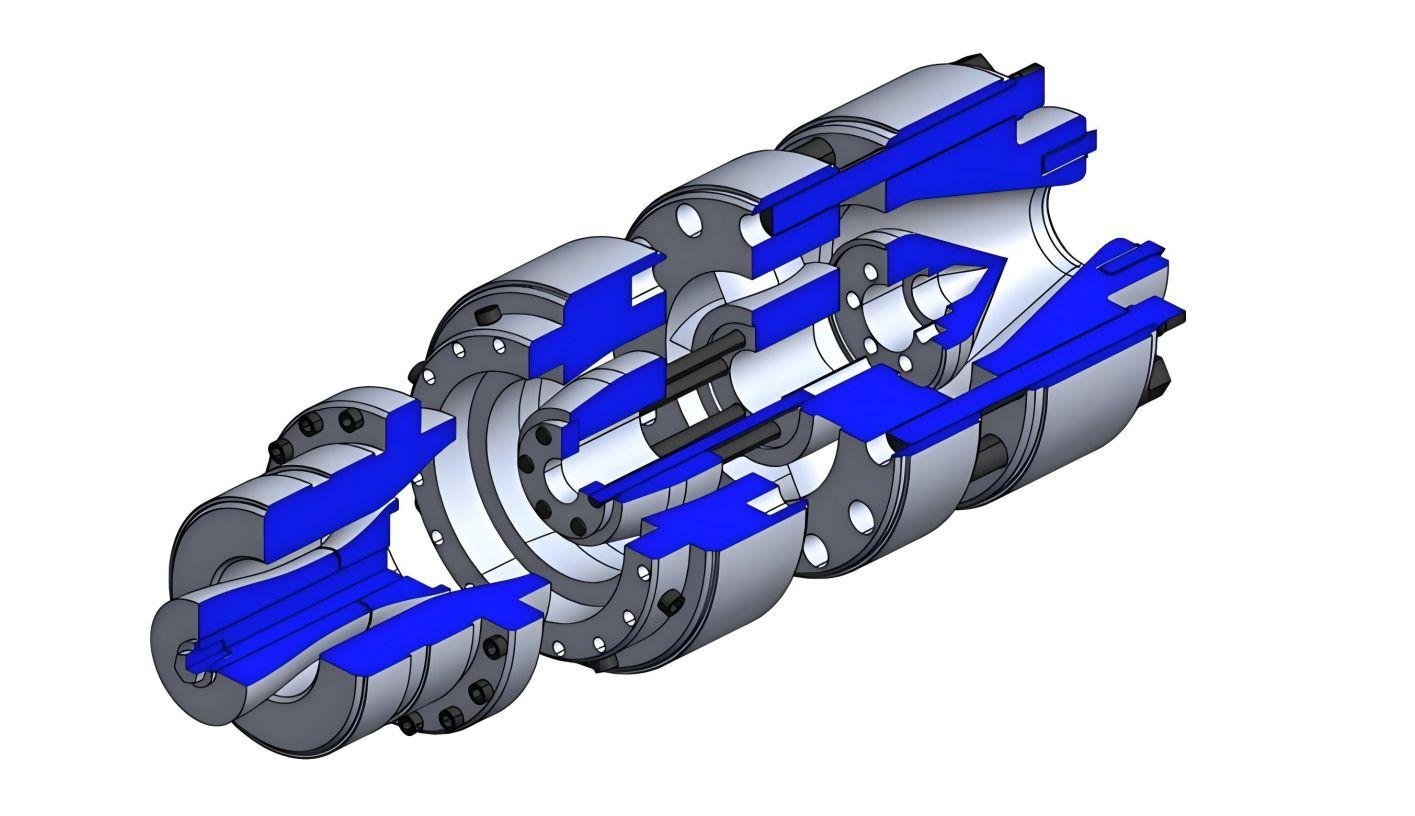
Extrusion Molding:
① Makes long, skinny things like pipes, bars, or shapes.
② Can only do simple shapes because the die is the same all the way across.
③ Good for things that are the same shape all the way down.
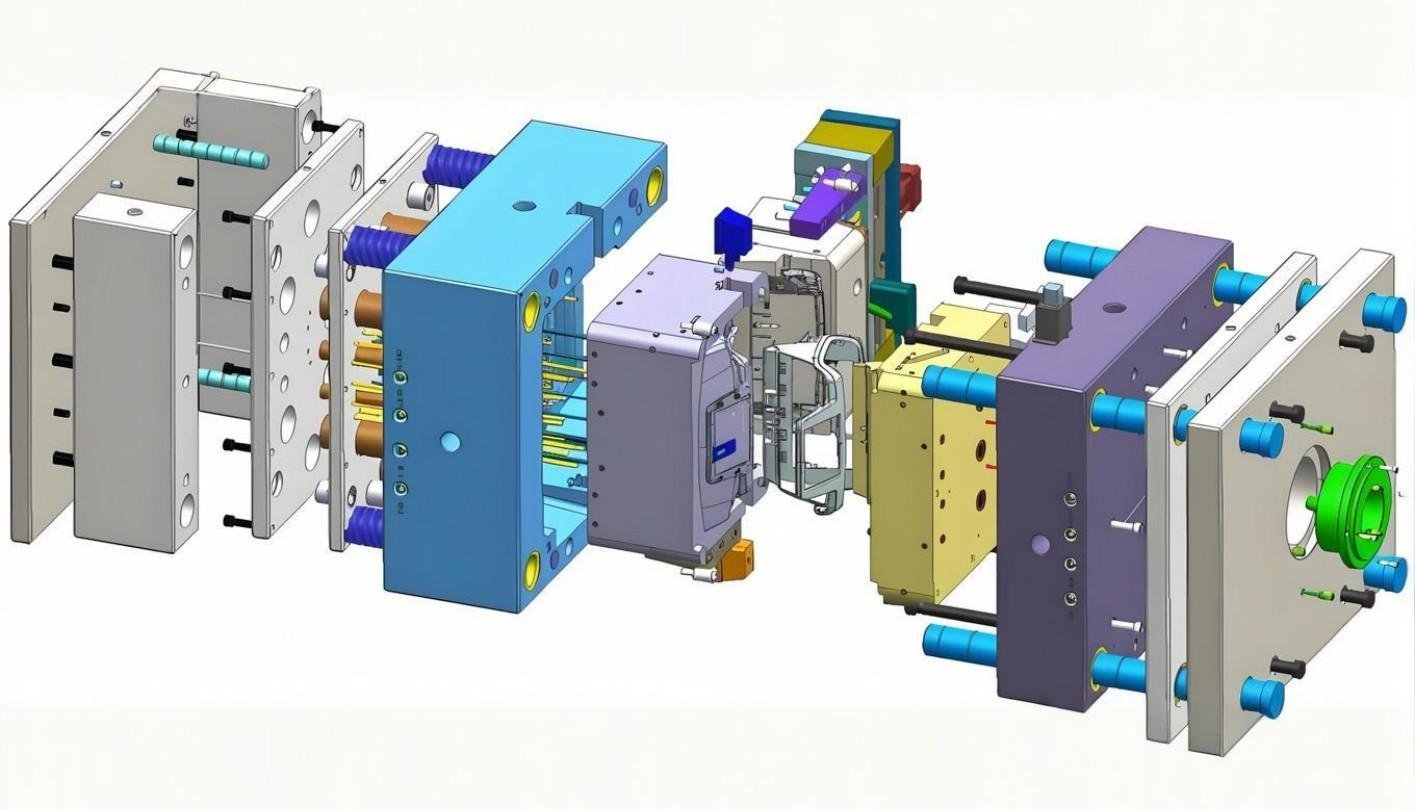
Injection Molding:
① Creates detailed 3D shapes with intricate features, including internal cavities and complex geometries.
② Offers high design flexibility, making it suitable for complex and precise parts.
3. Mold and Costs:

Extrusion Molding:
① Tooling involves relatively simple and inexpensive dies, reducing initial investment.
② Lower tooling costs make it ideal for high-volume production of uniform shapes.
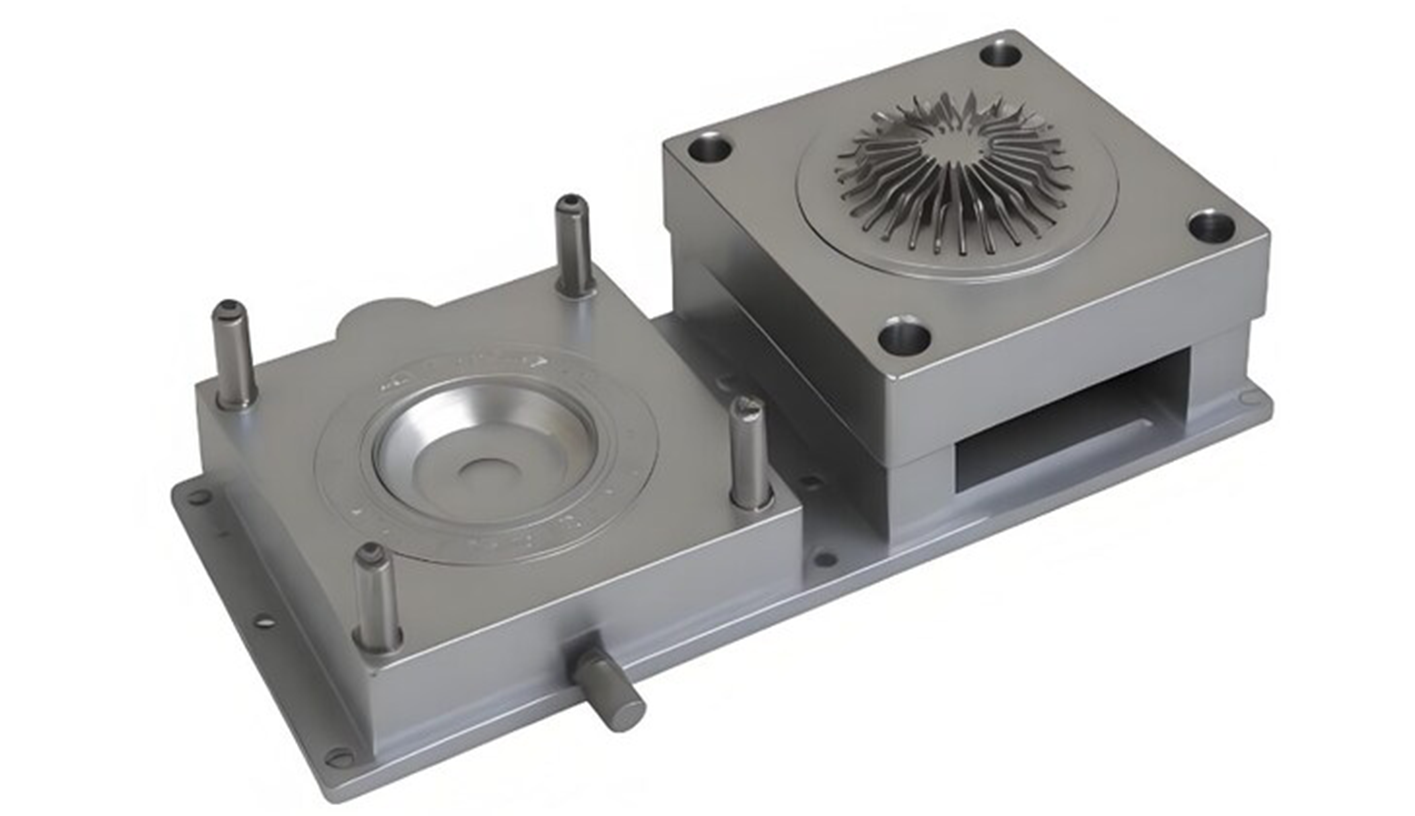
Injection Molding:
① Requires custom molds that are expensive and time-consuming to manufacture.
② High tooling costs are offset by the ability to mass-produce complex and precise parts.
4. Production Speed and Volume:
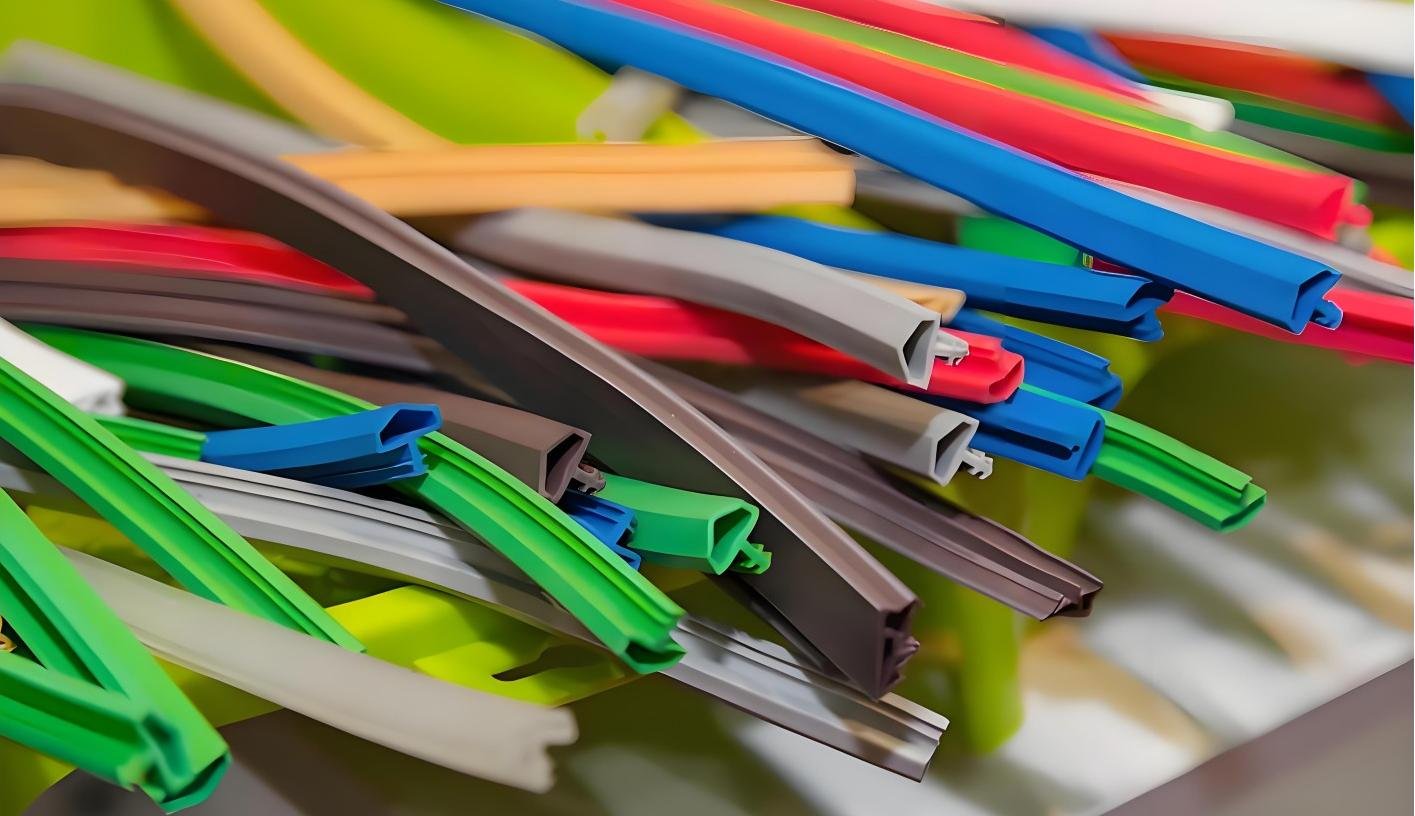
Extrusion Molding:
A continuous process, allowing for faster production of long profiles. Suited for high-volume production where shapes do not require additional complexities.
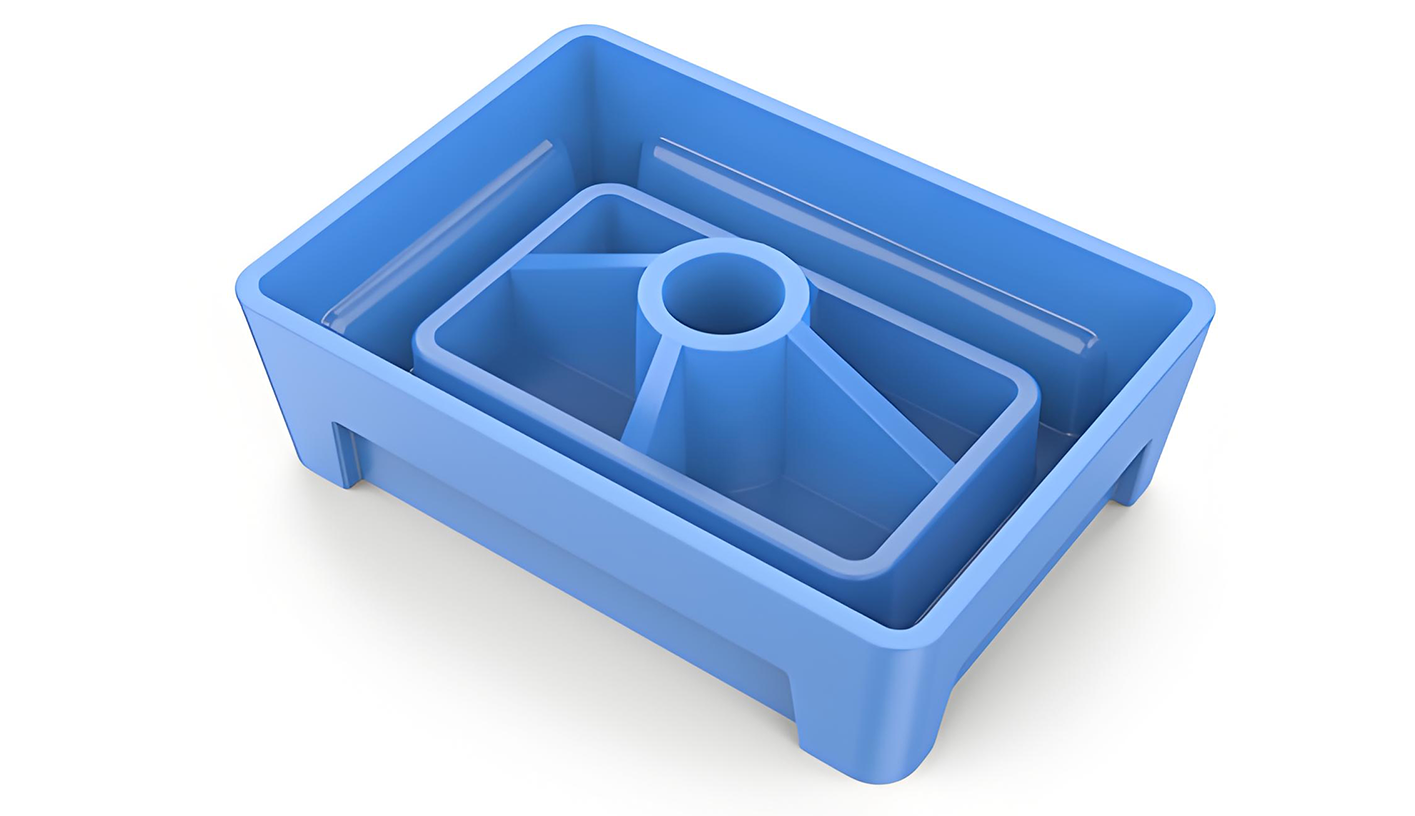
Injection Molding:
Produces discrete parts with longer cycle times due to cooling requirements. More efficient for large-scale production of identical, intricate parts.
5. Pressure and Material Use:
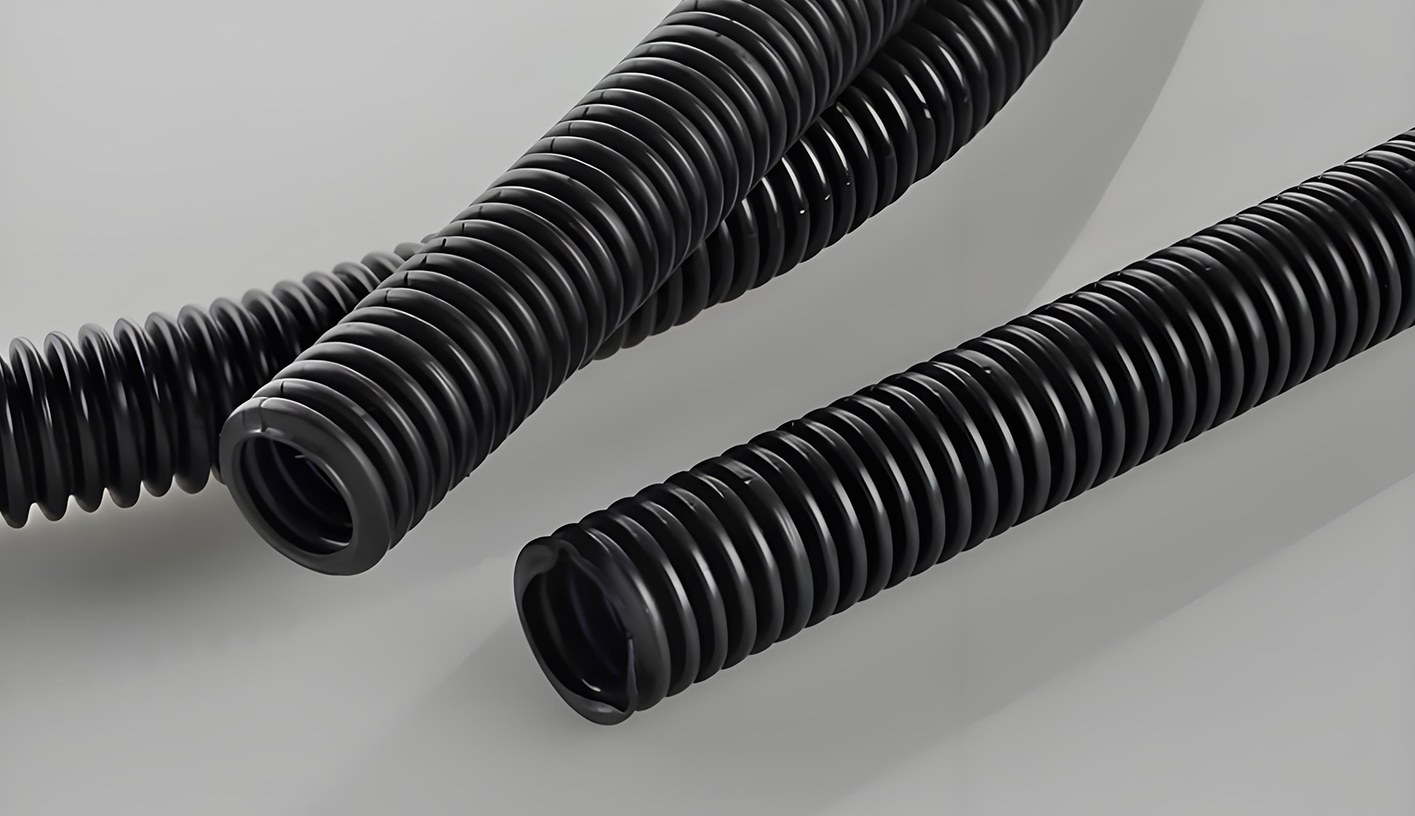
Extrusion Molding:
Operates at relatively low pressures (typically below 1000 psi). Uses materials designed for linear profiles, with less focus on structural detail.

Injection Molding:
Operates under high pressures (above 10,000 psi) to inject molten plastic into intricate molds. Accommodates materials with higher quality standards for detailed parts.
6. Applications:
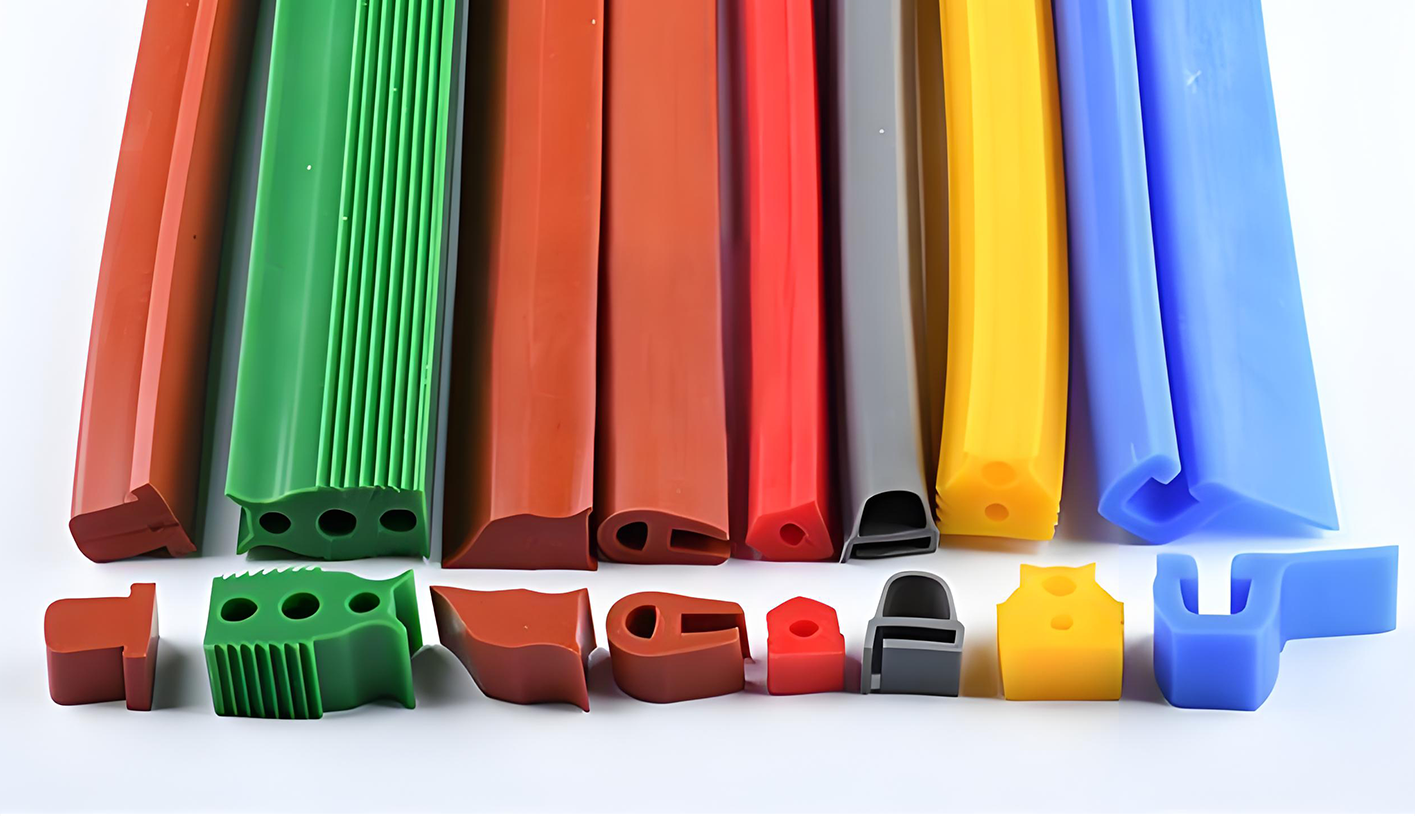
Extrusion Molding:
Commonly used for pipes, hoses, window frames, and other continuous products. Ideal for construction and industrial applications where uniformity is key.

Injection Molding:
Best for consumer goods (e.g., toys, electronics casings), medical devices, and automotive parts. Suitable for applications requiring complex details and precise tolerances.
Comparison Table
| Feature | Extrusion | Injection Molding |
|---|---|---|
| Process | Continuous | Discrete |
| Design Complexity | Simple, 2D profiles | Complex, 3D shapes |
| Tooling Costs | Low | High |
| Pressure | Low (below 1000 psi) | High (above 10,000 psi) |
| Production Speed | High for long profiles | Moderate for intricate parts |
| Applications | Pipes, tubing, sheets | Consumer goods, medical, automotive |
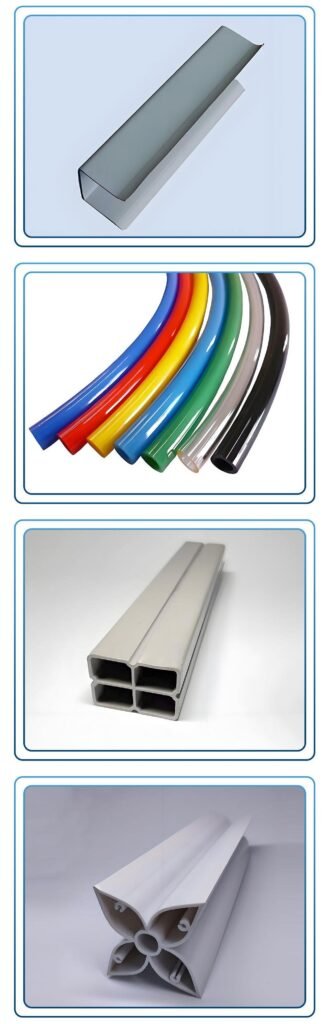
What are the Common Extrusion Products?
What are the Materials Commonly Used in Plastic Extrusion Molding?
Extrusion and injection molding are two of the most popular plastic manufacturing processes. They each have their own strengths and are used for different applications. Although they both involve processing plastic material, they are different in terms of how they work, the tools they use, and the results they produce. Here is a detailed comparison of these two processes, focusing on their differences.
1. Polyethylene (PE):
Types: Low-Density Polyethylene (LDPE), Medium-Density Polyethylene (MDPE), High-Density Polyethylene (HDPE).
Properties: Lightweight, flexible, with excellent chemical resistance, but lower heat stability.
Applications: Packaging films, pipes, containers, and consumer products.
2. Polypropylene (PP):
Properties: High strength-to-weight ratio, excellent chemical and moisture resistance, and cost-effectiveness.
Applications: Automotive parts, medical devices, packaging, and household products.
3. Polyvinyl Chloride (PVC):
Types: Rigid and flexible forms, modifiable with plasticizers.
Properties: Good chemical resistance, durable but can be brittle without additives.
Applications: Pipes, tubing, electrical insulation, construction materials, and medical equipment.
4. Polyamide (PA, Nylon):
Properties: High strength, excellent wear resistance, and good thermal stability.
Applications: Automotive parts, textiles, industrial machinery components, and consumer products.
5. Acrylonitrile Butadiene Styrene (ABS):
Properties: Tough, impact-resistant, with moderate heat stability.
Applications: Automotive interiors, consumer electronics, toys, and appliances.
6. Polycarbonate (PC):
Properties: Exceptional impact resistance, optical clarity, and high thermal stability.
Applications: Safety goggles, eyewear lenses, automotive components, and electronic housings.
7. Polyethylene Terephthalate (PET):
Properties: Strong, lightweight, and excellent barrier properties for moisture and gases.
Applications: Bottles, containers, fibers, and food packaging.
8. Thermoplastic Elastomers (TPE):
Properties: Combines the elasticity of rubber with the processability of plastics.
Applications: Flexible tubing, seals, gaskets, and footwear.
9. Polyurethane (PU):
Properties: High abrasion resistance, excellent flexibility, and durable.
Applications: Coatings, adhesives, foams, and industrial components.
10. Fluoropolymers (e.g., FEP, PFA, ETFE):
Properties: Outstanding chemical resistance, non-stick properties, and high thermal stability.
Applications: Tubing, seals, gaskets, and coatings for demanding environments.
11. Silicone (Si):
Properties: Flexible, heat-resistant, and biocompatible.
Applications: Medical seals, gaskets, coatings, and kitchenware.
Summary Table of Common Materials
| Material Type | Rigidity | Chemical Resistance | Impact Strength | Applications |
|---|---|---|---|---|
| Polypropylene (PP) | Excellent | Excellent | Excellent | Packaging, automotive parts |
| Polyethylene (PE) | Varies by type | Good | Good | Bags, containers |
| Polyvinyl Chloride (PVC) | Varies by type | Fair | Good | Pipes, insulation |
| Acrylonitrile Butadiene Styrene (ABS) | Excellent | Fair | Excellent | Toys, housings |
| Polystyrene (PS) | Poor | Fair | Good | Disposable items |
| Nylon (PA) | Excellent | Excellent | Excellent | Gears, belts |
| Polycarbonate (PC) | Excellent | Fair | Excellent | Safety gear |
Common issues and solutions in Plastic Extrusion Molding
Plastic extrusion molding is a versatile and widely-used manufacturing process for creating plastic products. Despite its benefits, the process can encounter challenges that impact efficiency and product quality. Below, we summarize the most common issues in plastic extrusion molding and provide effective solutions to address them.
1. Material Quality Issues:
Causes:
Contaminated or inconsistent raw materials.
Inadequate material properties for the intended application.
Solutions:
Source high-quality raw materials and conduct regular inspections for contaminants.
Use additives like stabilizers or antioxidants to enhance material properties.
2. Extruder Temperature Control:
Causes:
Inconsistent barrel and die temperatures.
Faulty temperature sensors or controllers.
Solutions:
Install precise temperature control systems to monitor and maintain optimal conditions.
Regularly calibrate sensors and inspect heating systems to ensure uniform temperature distribution.
3. Die Design and Maintenance Challenges:
Causes:
Poorly designed or worn-out dies.
Blockages from material build-up.
Solutions:
Regularly inspect and clean dies to prevent clogging and wear.
Use advanced simulation software to optimize die design for specific product requirements.
4. Material Feed Issues:
Causes:
Uneven or insufficient material feed.
Hopper blockages.
Solutions:
Ensure proper material feed systems with sensors for real-time monitoring.
Regularly clean hoppers and feeding mechanisms to maintain smooth operation.
5. Product Dimensional Inconsistencies:
Causes:
Variations in extrusion speed and pressure.
Die misalignment.
Solutions:
Implement real-time quality control systems using precision measurement tools.
Adjust die alignment and extrusion parameters to achieve uniform dimensions.
6. Surface Defects (e.g., Roughness, Bubbles, Burn Marks):
Causes:
Air entrapment or unmelted particles in the material.
Excessive heat or shear during extrusion.
Solutions:
Optimize compression zone temperatures and ensure complete material melting.
Use effective degassing systems to remove trapped air.
Gradually reduce barrel RPM and avoid prolonged exposure to high temperatures.
7. Material Degradation:
Causes:
Prolonged exposure to heat or shear stress during processing.
Solutions:
Minimize residence time in the barrel and use materials with higher thermal stability.
Incorporate stabilizers to prevent degradation and discoloration.
8. Energy Inefficiency:
Causes:
Outdated equipment and inefficient processes.
Solutions:
Upgrade to energy-efficient extruders and optimize cooling and heating systems.
Insulate heating zones and implement automation to reduce energy waste.
9. Adhesion Problems Between Layers:
Causes:
Poor temperature or pressure control during layer bonding.
Solutions:
Adjust processing parameters based on material properties to improve layer adhesion.
Use compatible materials or bonding agents for better cohesion.
10. Extruder Wear and Tear:
Causes:
Continuous operation without adequate maintenance.
Solutions:
Schedule regular inspections and replace worn-out components promptly.
Consider upgrading to durable extruder designs for improved longevity.
Project Complete
Satisfied Clients
Qualified Employees
International Partners
FAQs FOR CLIENT
Getting Started with Uplastech
Have questions? We have answers.
We specialize in extrusion processes and precision mold-making, offering customized solutions to meet your manufacturing needs.
We work with various industries, including automotive, electronics, and consumer goods, focusing on B2B partnerships.
Yes, we tailor our solutions to fit your unique requirements.
Get In Touch
Lorem ipsum dolor sit amet consectetur adipiscing elit eue mauris molestie orci eget.
 EN
 ES
 FR
 DE
 PT
 AR
 RU
 JA
 KO
 IT
 NL
 TR
 PL
 ID
