Plastic extrusion is a common way to process plastics. You heat up the plastic raw material and push it through a mold to make a specific shape. Different types of plastic materials have different properties and characteristics that make them good for extrusion. In this article, we’ll talk about the common materials used in plastic extrusion and why you might want to use them for different things.
Plastic extrusion is used to make all kinds of things like pipes, profiles, films, and more. Different materials have different things they’re good for. This article will help you pick the right material for what you’re making.
Common materials for plastic extrusion include thermoplastics like PVC, PE, PP, and PS.True
These materials are widely used due to their versatility and unique properties in different applications.
Plastic extrusion can only be done with a single material.False
Different materials can be used in the extrusion process depending on the desired properties of the final product.
- 1. What is plastic extrusion material - polyethylene (PE)?
- 2. What is plastic extrusion material - polypropylene (PP)?
- 3. What is plastic extrusion material - Polyvinyl Chloride (PVC)?
- 4. What is plastic extrusion material - polyethylene terephthalate (PET)?
- 5. What is Plastic Extrusion Material - Polyoxymethylene (POM)?
- 6. What is Plastic Extrusion Material - Polycarbonate (PC)?
- 7. What is plastic extrusion material - Acrylonitrile Butadiene Styrene (ABS)?
- 8. What is plastic extrusion material - Polystyrene (PS) ?
- 9. What is plastic extrusion material - thermoplastic elastomer (TPE)?
- 10. What is plastic extrusion material - Polyamide (PA, nylon)?
- 11. Conclusion
What is plastic extrusion material - polyethylene (PE)?
Polyethylene (PE) is a thermoplastic with two main types: low density (LDPE) and high density (HDPE). It is widely used in the extrusion of various plastic products, such as plastic pipes and films, because of its good chemical stability, impact resistance and low cost.
PE is a common extrusion material widely used in the production of pipes, films and packaging materials, etc. It has good chemical resistance and impact resistance, and is suitable for a variety of application scenarios.

Characteristics
PE has good chemical resistance and is suitable for the production of food packaging and piping systems.
Applications
PE is widely used in packaging, piping, power, construction, consumer goods, agriculture, etc.
Cautions
During extrusion processing, PE has better melt flow, but still need to avoid too high temperature leading to degradation.
PE is commonly used in plastic extrusion for flexible and durable applications.True
PE (Polyethylene) is a versatile material widely used in extrusion due to its flexibility, durability, and resistance to chemicals, making it ideal for products like films, pipes, and containers.
PE is unsuitable for plastic extrusion.False
PE is commonly used in extrusion processes for a wide variety of applications, including flexible packaging, pipes, and durable containers, thanks to its excellent chemical resistance and adaptability to various extrusion methods.
What is plastic extrusion material - polypropylene (PP)?
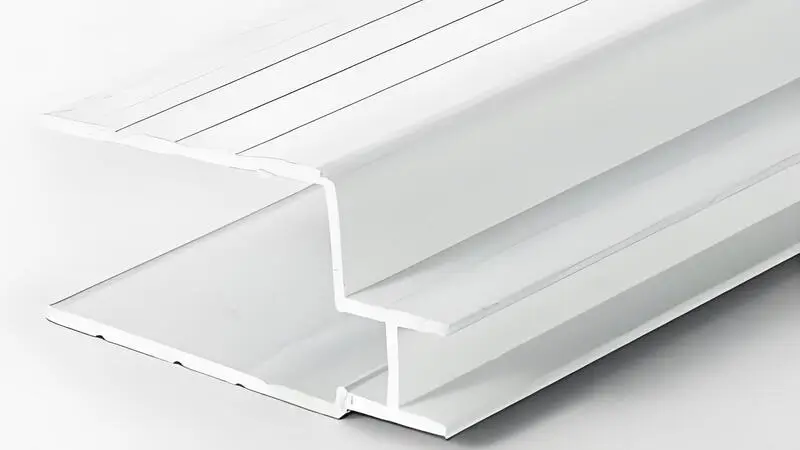
Polypropylene (PP) is a highly crystalline plastic with high heat resistance, chemical resistance and low specific gravity. Its rigidity and low density make it the material of choice for the automotive and packaging industries, and it is commonly used in extrusion to produce a variety of profiles and films.
Polypropylene (PP) is a common thermoplastic with high heat resistance and rigidity, making it ideally suited for the manufacture of high-strength tubing and film materials, widely used in the packaging and automotive industries.
Characteristics
PP has a high melting point, heat resistance and high impact resistance, making it suitable for use in higher temperature environments.
Applications
PP is widely used in automotive parts, home appliances, packaging materials, etc. It is especially used in the production of film packaging, tubes and food containers.
Cautions
During extrusion processing, PP requires precise temperature control to ensure its good physical properties and processing quality.
PP is commonly used in plastic extrusion for durable and versatile applications.True
PP (Polypropylene) is a strong, lightweight, and chemically resistant material that is widely used in extrusion to create products like pipes, packaging, and automotive components.
PP is unsuitable for plastic extrusion.False
PP is a popular material in extrusion due to its durability, versatility, and resistance to fatigue, making it ideal for a wide range of products, from containers to textiles.
What is plastic extrusion material - Polyvinyl Chloride (PVC)?
PVC is one of the most widely used materials in plastic extrusion. It has good chemical stability, corrosion resistance and aging resistance. It is commonly used in the production of pipes, cable sheathing, building profiles, etc. It is widely used in the construction and electrical industries.
PVC has excellent weather resistance and anti-aging properties. It is widely used in extruded pipes, door and window profiles, cable sheathing, etc. It is a commonly used material in the construction industry.

Characteristics
PVC materials have good chemical and weathering resistance and are suitable for applications in outdoor environments, such as pipes and door and window profiles.
Applications
PVC is commonly used in the construction, medical, packaging and electrical industries, especially in water pipes, wire and cable sheathing and various rigid profiles.
Cautions
In the extrusion process of PVC, special attention should be paid to temperature control and the addition of stabilizers to prevent thermal degradation.
PVC is commonly used in plastic extrusion for construction and packaging applications.True
PVC (Polyvinyl Chloride) is a versatile material widely used in extrusion to produce products like pipes, window profiles, flooring, and packaging materials due to its durability, chemical resistance, and cost-effectiveness.
PVC is unsuitable for plastic extrusion.False
PVC is one of the most commonly extruded plastics, known for its ability to be easily processed into various forms, making it suitable for a wide range of applications, including construction and medical industries.
What is plastic extrusion material - polyethylene terephthalate (PET)?
Polyethylene terephthalate (PET) is a common engineering plastic with high tensile strength and thermal stability. It has a wide range of applications in food packaging, textiles, and film production.
PET has good mechanical strength and thermal stability and is suitable for the production of high-strength films, fibers, and engineering plastic profiles.

Characteristics
PET has high tensile strength, good thermal stability, and good transparency, making it suitable for applications with high demands on material properties.
Applications
PET is widely used in beverage bottles, food packaging, electronic products, automotive parts, and other fields, especially in the packaging industry.
Cautions
PET requires high processing temperature and pressure, which must be strictly controlled to prevent degradation and fracture.
PET is commonly used in plastic extrusion for high-strength and transparent applications.True
PET (Polyethylene Terephthalate) is a strong, durable, and transparent material commonly used in extrusion to create products like bottles, films, and packaging materials.
PET is unsuitable for plastic extrusion.False
PET is widely used in extrusion due to its excellent strength, clarity, and resistance to moisture, making it ideal for both rigid and flexible products.
What is Plastic Extrusion Material - Polyoxymethylene (POM)?
POM is a kind of engineering plastic with excellent mechanical properties and wear resistance. It is widely used in the manufacture of high-strength, high-precision mechanical parts and high-load products.
With its high strength and low friction properties, POM is widely used in mechanical parts, automotive parts and other plastic extruded products in high load working environments.

Characteristics
POM has excellent friction resistance, corrosion resistance and high mechanical strength, and is suitable for the manufacture of precision and wear-resistant parts.
Applications
POM is widely used in automobile, electronics, mechanical equipment and other fields, especially suitable for the manufacture of bearings, gears and other precision parts.
Cautions
POM has good high temperature stability, but it needs strict temperature and pressure control in the extrusion process to ensure high precision and strength of the product.
POM is commonly used in plastic extrusion for high-performance applications.True
POM (Polyoxymethylene), also known as acetal, is a strong, stiff, and wear-resistant material commonly used in extrusion for precision parts, automotive components, and mechanical applications due to its excellent dimensional stability and low friction properties.
POM is unsuitable for plastic extrusion.False
POM is highly suitable for plastic extrusion, particularly for applications requiring high strength, low friction, and excellent chemical resistance. It is widely used in industries such as automotive, electronics, and industrial machinery.
What is Plastic Extrusion Material - Polycarbonate (PC)?
Polycarbonate (PC) is a transparent engineering plastic with high strength, good impact resistance, and excellent optical properties. It is widely used in the manufacture of optical components, lampshades, and protective devices.
Polycarbonate (PC) has high transparency and impact strength, and is widely used in protective equipment, lighting and automotive parts.

Characteristics
PC has high impact resistance and transparency, and is suitable for products that require transparency and impact resistance.
Applications
PC is widely used in the manufacture of lighting equipment, protective equipment, construction materials, and electronic product housings.
Cautions
PC is very sensitive to temperature during processing. Excessive temperatures may lead to degradation, so precise control of the extrusion process is required.
PC is commonly used in plastic extrusion for high-strength and transparent applications.True
Polycarbonate (PC) is a durable, high-strength material with excellent optical clarity, making it ideal for extrusion in products like eyewear lenses, protective covers, and automotive parts.
PC is unsuitable for plastic extrusion.False
PC is widely used in extrusion because of its strength, transparency, and impact resistance, making it a popular choice for a variety of applications in industries such as automotive, electronics, and packaging.
What is plastic extrusion material - Acrylonitrile Butadiene Styrene (ABS)?
ABS is a very common engineering plastic used in a wide variety of applications due to its excellent mechanical properties and good processing adaptability. Its impact resistance and excellent thermal stability make it an ideal material for many industrial applications.
ABS is widely used in automotive, electronics and home appliances due to its good impact resistance and processing properties.

Characteristics
ABS has high strength, good impact resistance, good processing and molding properties, and some resistance to chemicals.
Applications
ABS is widely used in automobiles, electronics, home appliances, toys, construction, medical care, plumbing and other fields.
Cautions
ABS is less resistant to UV rays and high temperature. It is not suitable for prolonged exposure to extreme chemical environments.
ABS is commonly used in plastic extrusion for durable and impact-resistant applications.True
ABS (Acrylonitrile Butadiene Styrene) is a tough and durable material often used in extrusion for applications such as automotive parts, appliances, and consumer electronics due to its high impact resistance and excellent mechanical properties.
ABS is unsuitable for plastic extrusion.False
ABS is widely used in extrusion because of its strength, toughness, and versatility, making it suitable for a wide range of products, including both rigid and flexible components.
What is plastic extrusion material - Polystyrene (PS) ?
Polystyrene (PS) is a cheap plastic that is easy to process and is used a lot in packaging and disposable consumer products.
Polystyrene (PS) is a cheap plastic that is easy to process and is used a lot in packaging, household goods, and consumer products.

Characteristics
PS is cheap and easy to process. It can be easily colored and has a smooth surface.
Applications
PS is used a lot in packaging, home goods, consumer goods, electronics, construction, and many other things.
Cautions
PS is brittle and not good for things that need to be impact resistant. It doesn’t like high temperatures and can warp.
PS is commonly used in plastic extrusion for rigid applications.True
PS (Polystyrene) is a versatile material often used in plastic extrusion to create rigid products such as containers, trays, and packaging materials due to its excellent rigidity and ease of processing.
PS is unsuitable for plastic extrusion.False
PS is widely used in plastic extrusion for a variety of applications, including rigid and foam products, due to its low cost, good transparency, and ease of molding.
What is plastic extrusion material - thermoplastic elastomer (TPE)?
TPE is a thermoplastic material with rubber properties. It combines the elasticity of rubber with the processability of thermoplastics. It is widely used in products that require good flexibility and are environmentally friendly and recyclable.
Because of its good elasticity, flexibility and environmental friendliness, TPE has become an ideal material for the automotive, medical and electronic industries.

Characteristics
Good elasticity and flexibility. Recyclable and environmentally friendly, in line with green manufacturing requirements. Excellent fatigue and abrasion resistance.
Applications
TPE is widely used in automotive, medical, electronics, packaging, consumer goods, construction and other fields.
Cautions
TPE is less resistant to high temperatures and is prone to softening. It is not suitable for applications requiring high chemical stability.
What is plastic extrusion material - Polyamide (PA, nylon)?
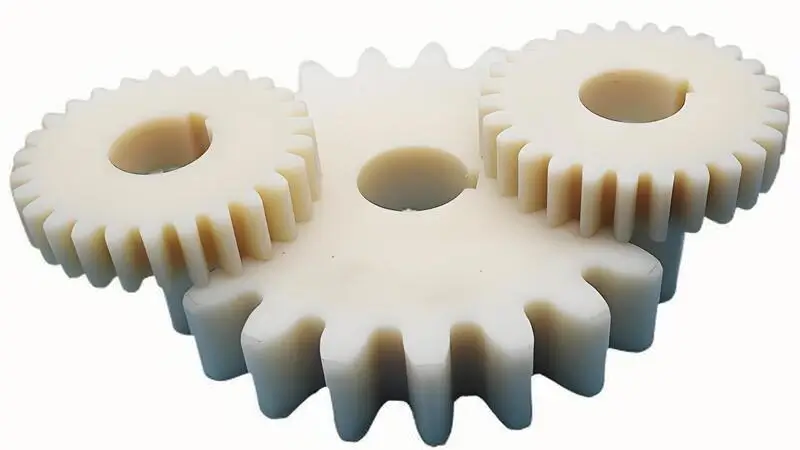
Polyamide (PA, nylon) is a high-strength, highly abrasion-resistant engineering plastic that is widely used in the manufacture of machine parts and automotive components, especially for applications requiring high strength and abrasion resistance.
Polyamide is widely used in the automotive, mechanical and electronics industries due to its high strength and abrasion resistance.
Characteristics
PA has high strength and good abrasion resistance. Good heat resistance, suitable for high temperature environment.
Applications
PA is widely used in automotive, electronics, medical and construction industries
Cautions
PA is highly hygroscopic and should be dried before use. It is prone to aging when exposed to sunlight for a long time.
PA is commonly used in plastic extrusion for high-strength and durable applications.True
PA (Polyamide) is a strong and durable material widely used in plastic extrusion for creating products such as automotive parts, industrial components, and textiles due to its excellent mechanical properties and resistance to wear and chemicals.
PA is unsuitable for plastic extrusion.False
PA is highly suitable for plastic extrusion due to its excellent strength, wear resistance, and ability to withstand harsh conditions, making it ideal for a wide range of applications, including automotive, industrial, and consumer goods.
Conclusion
The plastic extrusion process involves a bunch of different plastics. Each one has different things they’re good at and different things they’re used for. When you’re picking the right one, you need to think about what it’s made of and how it behaves when it’s heated up and pushed through the extrusion mold. You also need to think about what you’re making and what it needs to do. If you know what each plastic is like, you can make your process better and make sure your product is good.



 EN
 ES
 FR
 DE
 PT
 AR
 RU
 JA
 KO
 IT
 NL
 TR
 PL
 ID