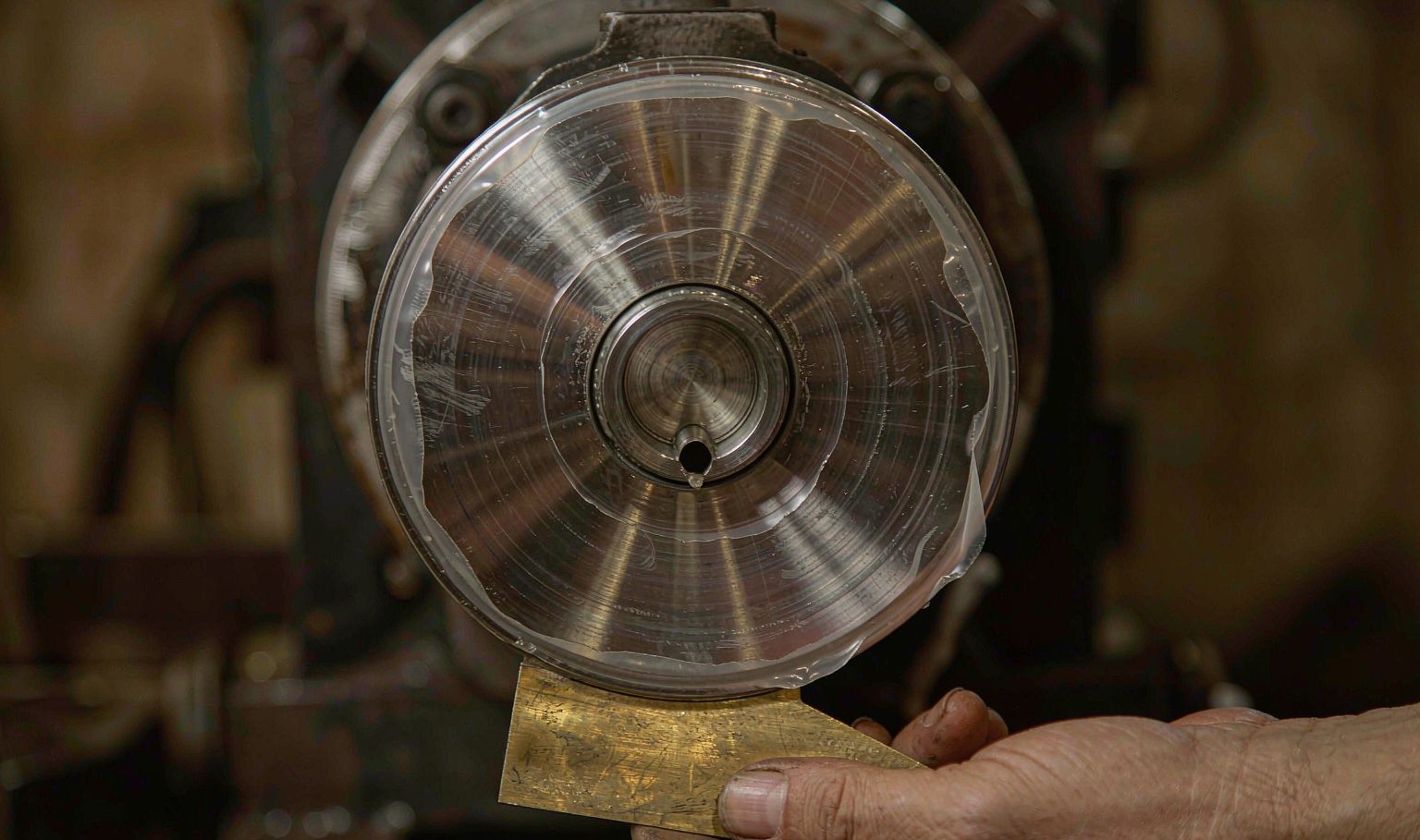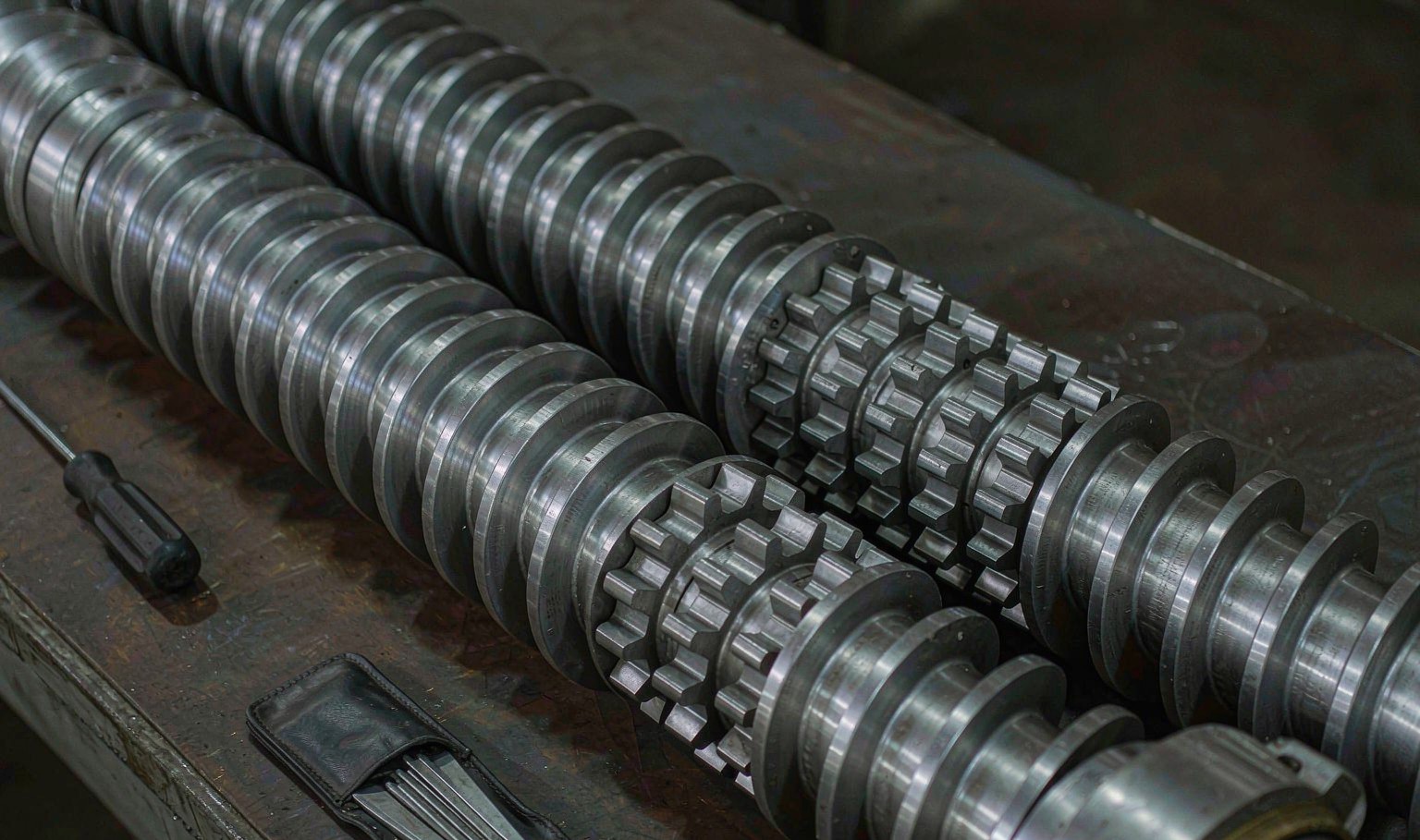
Twin Screw vs Single Screw Extrusion: Which to Specify
Single screw and twin screw extruders compared on conveying mechanism, feeding, mixing, melt temperature, pressure stability, cost and payback, with a selection procedure.
Inicio / Blog

Single screw and twin screw extruders compared on conveying mechanism, feeding, mixing, melt temperature, pressure stability, cost and payback, with a selection procedure.

What an extruder screw actually does, the three zones, compression ratio by material, mixing elements, L/D selection, wear mechanisms and how to read a fault from the screw.

Designing hollow extruded sections: how stiffness scales with geometry, spider versus bridge dies, where the weld line lands, balancing wall thickness and internal cooling.

Vacuum sizing explained: five calibration methods, vacuum level, cooling length calculation, sleeve design, draw-down ratio and the faults that come from getting cooling wrong.

How a profile extrusion die is designed and balanced: flow channel geometry, land length, die swell, spider and bridge dies for hollow sections, die steel and the trial loop.

Thin gauge and heavy gauge thermoforming compared on machines, tooling, cycle time, tolerance, labour content and cost per part, with the crossover volume worked through.

Webbing, tearing, chill marks, dimples, warpage, bubbles, orange peel, short draws, cracking and trim faults — causes, how to recognise each, and the fix that actually works.

Why a formed part cannot have uniform walls: draw ratio, thickness prediction, where material goes, plug assist, design moves that buy thickness back, and how to specify it.

The forming window explained: sheet temperatures by material, how infrared heating penetrates, zone control, measuring sheet temperature, sag, heating time and moisture problems.

How a vacuum forming mold is really designed: five mold materials and when each pays, draft angles, radii, vacuum hole sizing and placement, shrinkage compensation and tool life.

Hot runner vs cold runner compared on material waste, cycle time, colour change, part quality and maintenance, with the payback calculation and a decision table.

Overmoulding, two-shot and insert moulding compared: how the bond forms, which material pairs stick, substrate and overmould design rules, tooling routes and how to test a bond.
En Uplastech, nos especializamos en ofrecer soluciones de fabricación de productos de plástico personalizadas y de alta calidad, diseñadas para satisfacer las diversas necesidades de las industrias de todo el mundo.
Copyright 2023 © Todos los derechos reservados Design by Rometheme
Haz clic para chatear
Ahora estoy en línea.
Hola, soy John de Uplastech, ¿en qué puedo ayudarle hoy?
🟢 Online | Política de privacidad
WhatsApp us
Solicite un presupuesto rápido
Envíe los planos y los requisitos detallados a través de
Emial: [email protected]
O rellene el siguiente formulario de contacto: